
The line, down at three in the morning.
And your senior, asleep.
The on-shift technician calls from the machine, describes the fault and a voice agent walks them through it with your equipment manuals and your senior technicians’ know-how. At any hour, on any shift.
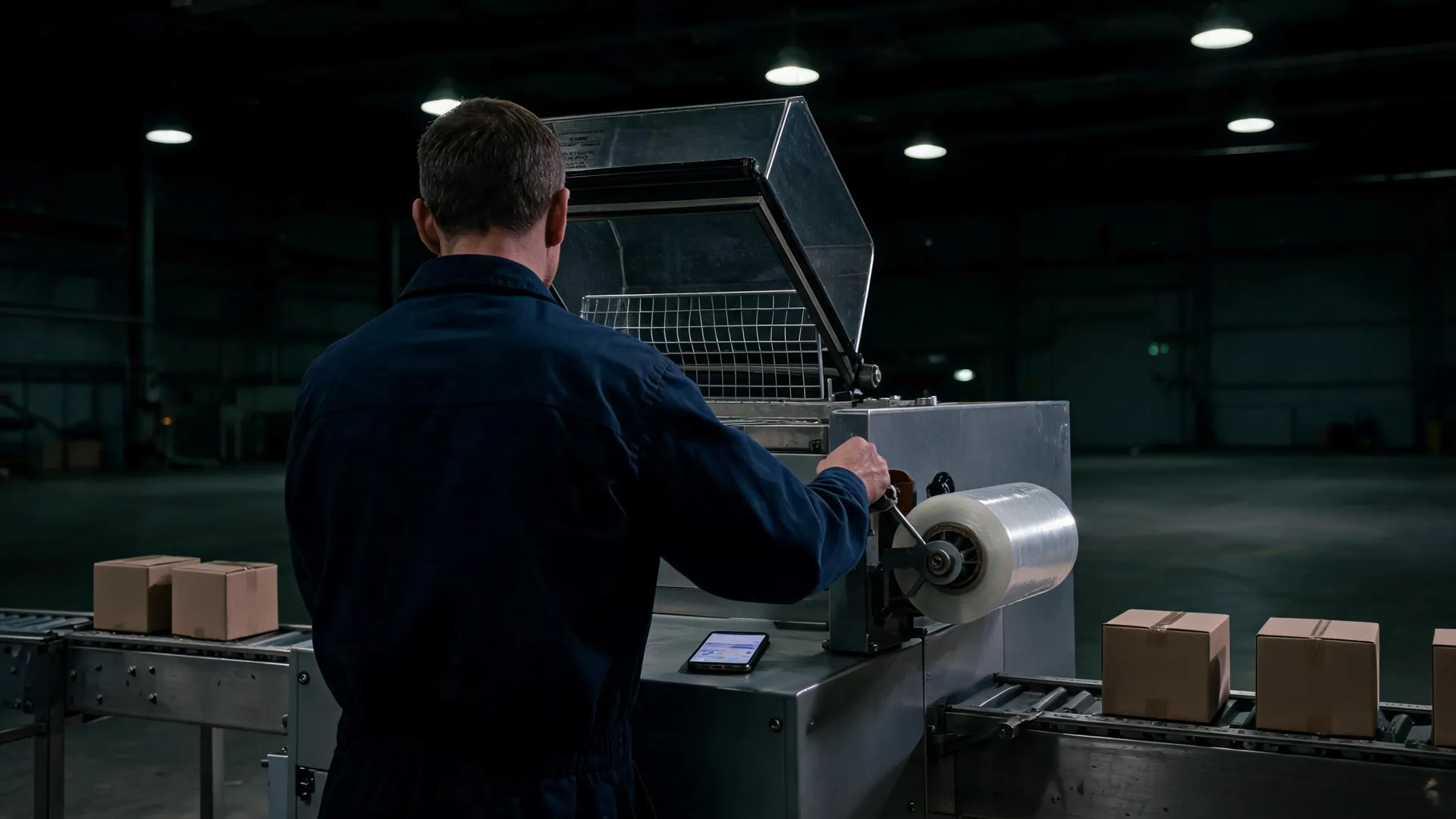
When the on-shift technician gets stuck, today they have three ways out.
All three cost time, and every minute the line is down is output you lose.
Wake the senior technician
They know every machine, but they cannot cover every shift. And if you call them at night, they are less sharp the next day.
Search the manufacturer’s manual
Hundreds of pages, sometimes in another language, with the line waiting.
Wait for the morning shift
The line stays down until someone who knows turns up, and the order slips.
A voice agent is not a fourth place to call. It is the first one that knows every machine you run, always picks up and interrupts nobody.
One call, start to finish. From a stopped line to a running one.
Four things a PDF manual cannot do.
It knows your machines
It is trained on your equipment manuals and on your senior technicians’ know-how. It answers in your language even when the manual is in another.
Every shift has a senior
Nights, weekends or holidays: the on-shift technician always has someone to call, and your senior stops being the bottleneck.
Fixing it without waiting for the morning shift
The technician follows the steps with the machine in front of them, instead of leaving the line down until someone arrives.
The know-how stays in the company
What today lives in two or three people’s heads gets recorded, searchable and available at any hour.
We build it around your own machine manuals.
You give us the PDFs for your machines and a few hours with your senior technicians. The agent answers from that, and only from that.
Every new machine you take on gets added to what it knows. Nobody has to be retrained.
Live in under 30 days.
You hand over the PDFs for the machines on your lines.
We capture the diagnoses that are not written in any manual.
Your technicians call and the agent answers from day one.